Sea turtle rescue and conservation medicine
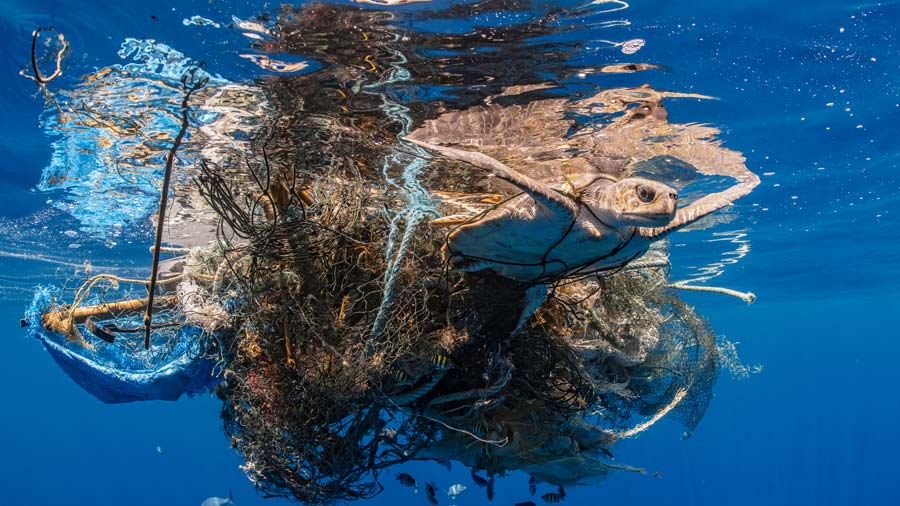
Sea turtles live long lives and travel across vast areas of the ocean. Along the way, they move through many different marine habitats and face a range of threats – most of them caused by people. Because of this, sea turtles are important indicators of ocean health.
Many are injured or become ill due to entanglement in marine debris, collisions with marine vessels, or eating in polluted or damaged habitats. These cases often require urgent medical care.
By rescuing and treating these sea turtles, we not only ease their suffering – we also gain valuable insights. Every patient gives us the chance to study sea turtle health more closely, helping us advance sea turtle medicine and deepen our understanding of their role in ocean ecosystems.
Our work is grounded in conservation medicine and the One Health approach, which recognises the vital connections between the wellbeing of animals, people, and the planet we share.
ORP’s sea turtle conservation medicine programme
Conservation medicine provides a framework to understand how environmental problems like pollution, habitat loss, climate change, and declining biodiversity affect the health of all living things, including people.
It brings together knowledge from ecology, veterinary medicine, human medicine, and public health, with the shared goal of supporting ecological health: the wellbeing of ecosystems and the species that depend on them.
By studying the environmental sources of disease and pollution, conservation medicine helps us uncover the root causes of health problems in both wildlife and humans. This insight can shape better conservation strategies, guide public health responses, and support the long-term protection of our shared planet.
Our Sea Turtle Conservation Medicine Programme is one of the largest and most advanced of its kind globally. Our clinical facilities include the Marine Turtle Rescue Centre in Baa Atoll, as well as The Sea Turtle Health Institute of the Maldives in Lhaviyai Atoll, supported by Raa Atoll Sea Turtle Care Centre.
We provide specialist veterinary care and operate state-of-the-art clinical facilities for diseased and injured sea turtles rescued throughout the Maldives. Our clinical approach focuses on two areas: treating individual sea turtles and advancing sea turtle population health.
Individual treatment of sea turtle patients
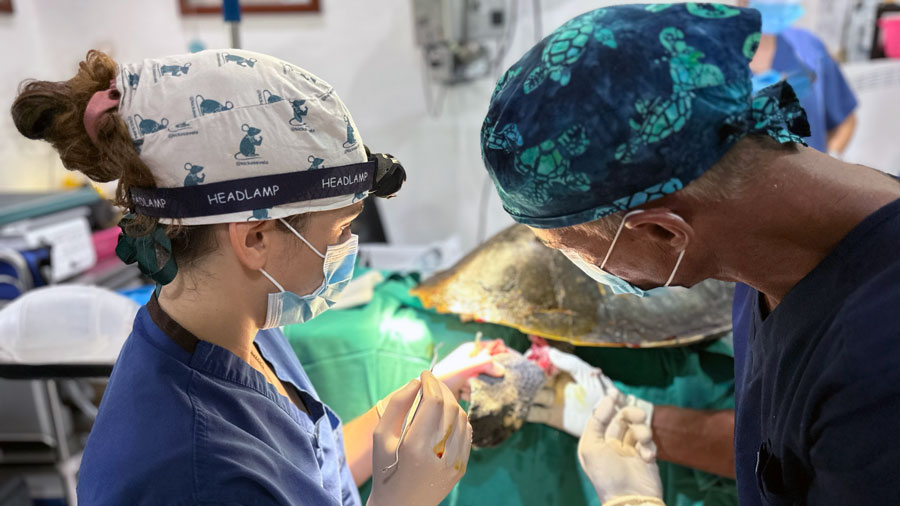
At our sea turtle clinical faclities, we treat sea turtles suffering from injury, disease, or debilitation, with the goal of returning them to health so they can contribute to their populations in the wild. Most of our patients are olive ridleys – a pelagic species especially vulnerable to entanglement in marine debris such as ghost gear. We treat and successfully release more olive ridleys than any other facility worldwide, giving us unparalleled insight into the specific challenges this enigmatic species faces, from entanglement to intestinal, pulmonary, and bone disease.
We use advanced, cutting-edge techniques adapted from both human and veterinary medicine to improve outcomes for our patients and deepen our understanding of how sea turtles cope with increasingly complex environmental pressures.
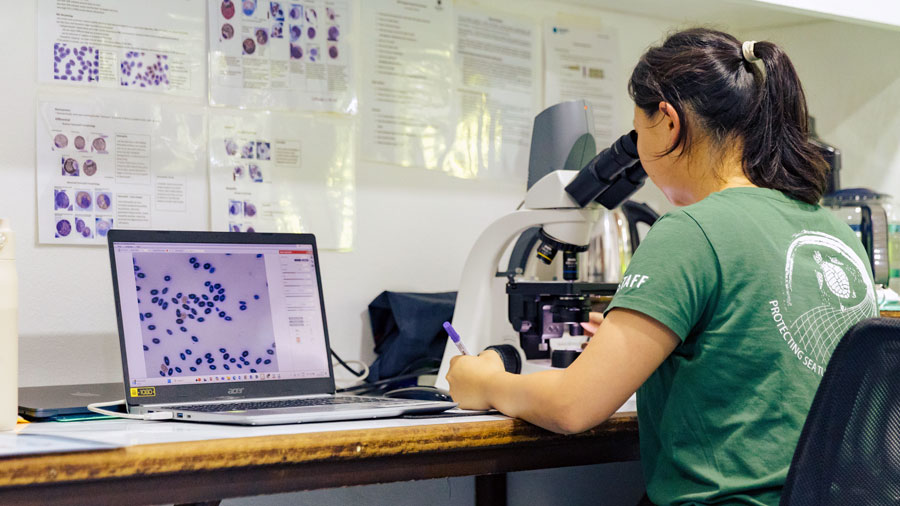
Our clinical facilities are equipped with full blood laboratory, radiography, endoscopy, ultrasonography, Class 4 laser, and full surgical suites. The clinical laboratory allows us to perform comprehensive blood and tissue analysis using the only diagnostic platform validated to assess sea turtle blood in a clinical setting – the Idexx Catalyst One.
Population health
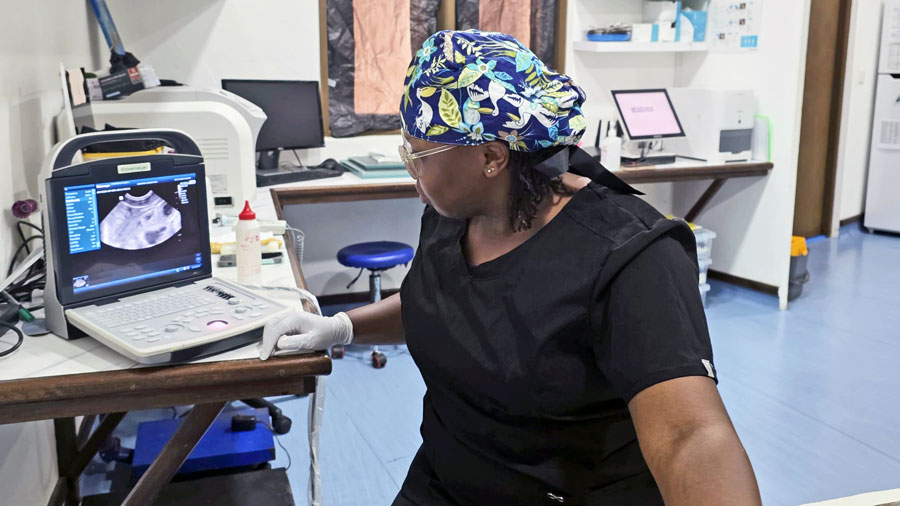
Beyond providing individual treatment, we take a comprehensive approach to monitoring sea turtle health. Tracking changes in wildlife health is key to understanding and managing disease. Each patient undergoes a full suite of clinical assessments, including physical, cardiovascular, neurological, and diagnostic imaging examinations, alongside blood analyses and gut microbiome evaluation. This approach also allows us to use cellular and molecular biomarkers to detect subclinical health issues – early signs of disease or stress that may not yet be visible but can indicate broader environmental or habitat decline.
This advanced form of health surveillance is unique. It’s One Health in action, recognising the deep connection between the wellbeing of animals, people, and the environment.
Primary causes of rescue cases
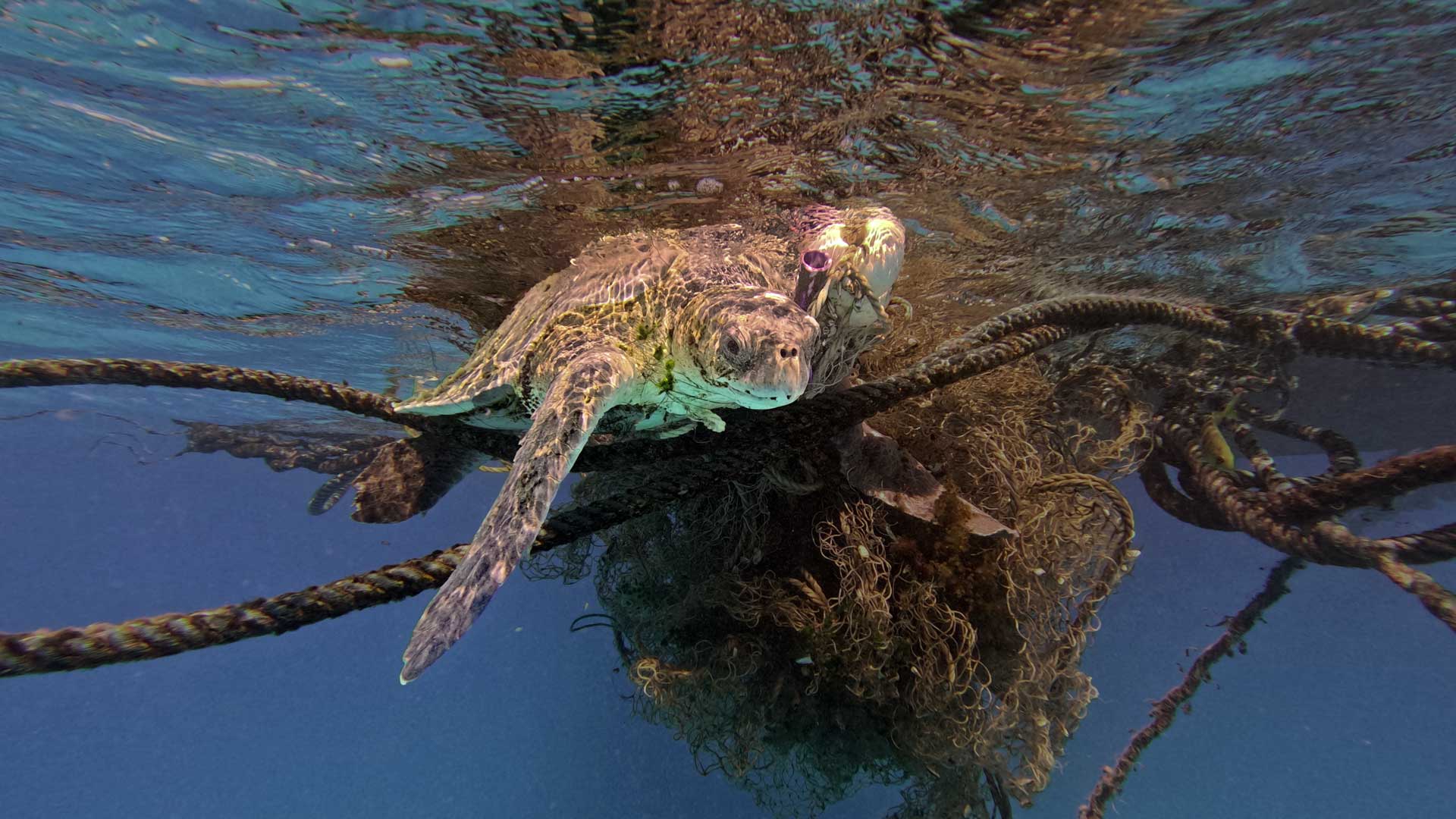
Most of our patients are treated for complications caused by entanglement in marine debris and the degradation of marine ecosystems. These often include external injuries such as tissue damage and internal conditions like lung disease. Together, these factors impact more than 90% of our patient population. They are also the primary causes of two serious clinical conditions: Buoyancy Syndrome and Entanglement Disorder.
Buoyancy Syndrome is a complex medical condition that causes sea turtles to float abnormally at the surface due to the build-up of gas in the body cavity. This prevents them from diving, surfacing, foraging, resting, and mating – all essential to their survival. If left untreated, it can lead to serious disease or even death.
Entanglement Disorder is a complicated injury and disease process that begins when a sea turtle becomes entangled in marine debris. This can severely restrict movement, causing deep trauma to the flippers, shell, and neck. In many cases it can also lead to the loss of limbs – or even death.
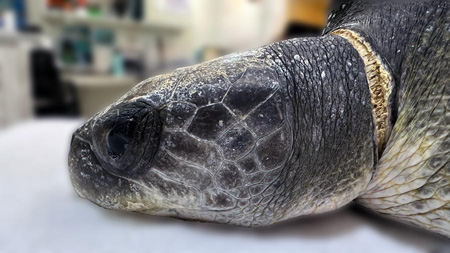
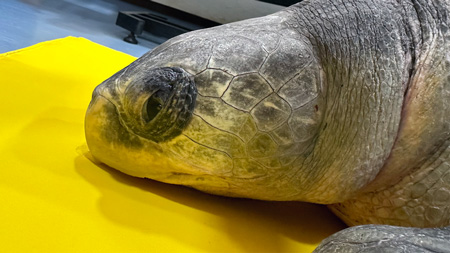
To treat these conditions, our veterinary team has developed a world-leading, multimodal programme combining several advanced therapies and an innovative, holistic limb-salvaging protocol.
Advancing sea turtle health through research
Improving knowledge of sea turtle clinical care and health is a major focus of our veterinary team. We work with colleagues across the Maldives, the wider region, and internationally, contributing to research ranging from disease investigation to ecosystem health, all through a One Health lens.
Our key research areas include:
- Gut health and the sea turtle microbiome
- The health status of green, hawksbill, and olive ridley turtles in the Maldives
- Osteomyelitis, a serious bone disease that affects olive ridleys in particular
This work directly supports our conservation medicine approach and strengthens our mission to protect sea turtles and their habitats. By identifying and understanding the causes of disease, we’re better able to treat individual turtles, monitor population health, and safeguard the ecosystems they rely on.
How sea turtles find their way to ORP
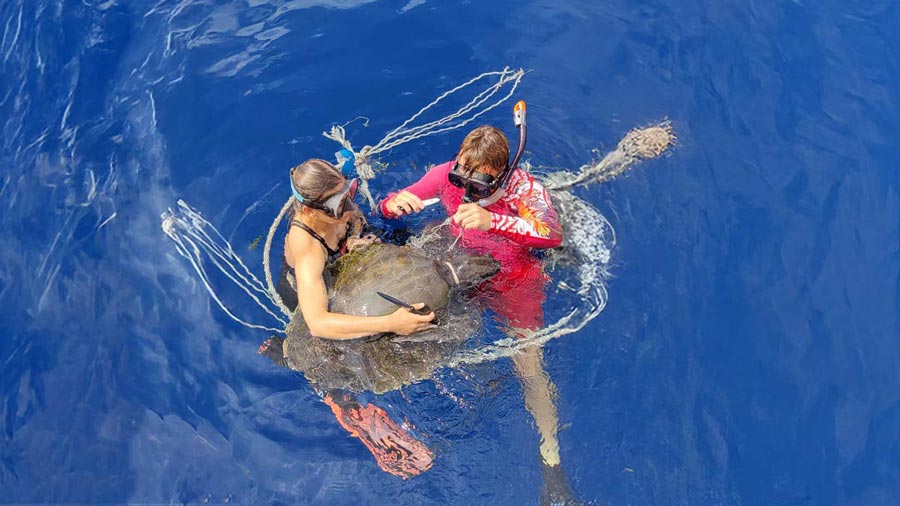
First responders at sea
Most of our patients are discovered by divers, snorkelers, boat crews, and fishers who spot them by chance – often entangled in marine debris, floating at the surface, or both. Sometimes, sea turtles also wash up on beaches. Without immediate and appropriate intervention, many of these sea turtles would not survive.
We run a 24-hour sea turtle emergency hotline to support fast rescues. Rescuers frequently video call the hotline. This lets our veterinary team assess the sea turtle right away and decide whether it needs to be brought to our clinical facilities for medical treatment or can be safely released on site.
To improve rescue outcomes, we created the Finding an Entangled Turtle Protocol. This is a practical guide that is freely available and widely distributed throughout the Maldives.
Through our Sea Turtle Guardian Programme, we provide hands-on training to those most likely to encounter stranded or entangled turtles, including water sports teams, dive centre and resort staff, local communities, and tour operators. Our training equips them with the skills and knowledge to respond safely and give the sea turtle the best chance of recovery.
Transporting rescued sea turtles
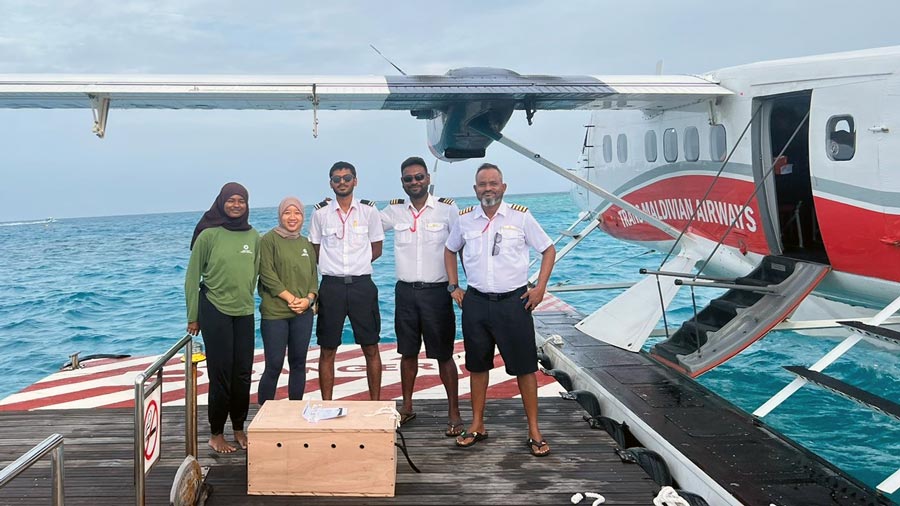
The Maldives spans 871 km from north to south, making sea turtle transport logistically challenging. Most of our patients arrive at our clinical facilities by seaplane thanks to Trans Maldivian Airways (TMA), who generously fly rescued sea turtles free of charge. Others are transferred by speedboat or domestic flight – some travelling over 500 km to reach us.
To prevent further injury during transport, we custom-make transport boxes tailored to each sea turtle’s size and needs.
Releasing sea turtle patients
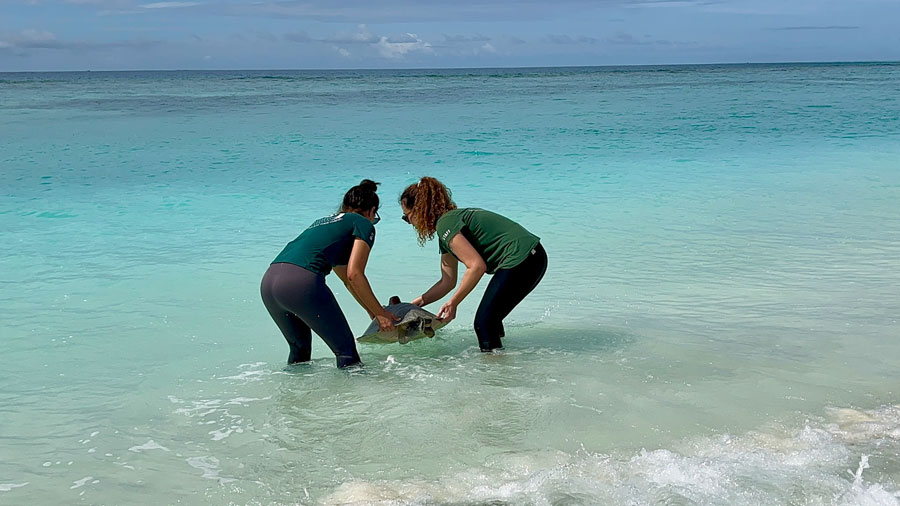
Captivity and human interaction are stressful for sea turtles. Our goal is to get patients healthy and back to the ocean as soon as possible. But we never rush release. Once a sea turtle has completed treatment, it goes through a full medical check-up. This includes physical, neurological, and heart exams, imaging scans, and blood tests.
Only after passing this full assessment do our veterinary team approve a patient for release – giving it the best possible chance of surviving and contributing to its population. Our release rate is ~60%; a significant achievement in wildlife conservation medicine.
Partners in sea turtle conservation medicine
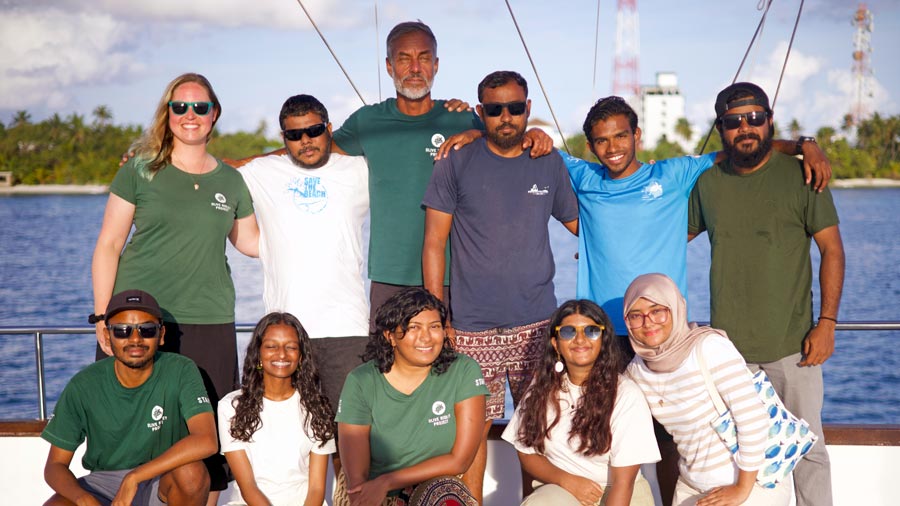
Our work in the Maldives is carried out under permits and with the guidance and support of the Environment Regulation Authority (ERA) of the Maldives.
We are deeply grateful to our hosts, Coco Collection, One&Only Reethi Rah, and JOALI BEING, for generously providing the space and support needed to run our facilities.
Special thanks to Trans Maldivian Airways (TMA) for transporting our patients across the country, and to every individual who has rescued, reported, or helped transport a stranded sea turtle.
We are also incredibly fortunate to have the backing of key partners and supporters:
- OceanCare, for funding critical medical equipment, medications, and veterinary services; and
- Sea Turtle Rescue Alliance (STRA), the world’s only NGO dedicated to expanding access to sea turtle medicine.
Last but certainly not least, heartfelt thanks to our dedicated volunteers. Their time, care, and compassion make a lasting difference in the lives of our sea turtle patients – and in the success of our mission.
We could not do this without you!
Clinical facility permits:
- Marine Turtle Rescue Centre located at Coco Palm Dhuni Kolhu: EPA/2024/RC-04
- North Malé Sea Turtle Rehabilitation Centre located at One&Only Reethi Rah: EPA/2022/PSR-T05
- Raa Sea Turtle Care Centre located at JOALI BEING: EPA/2023/RC-02
Research permits:
- EPA.O2.RC.PS.25.NM1706
- EPA.O2.RC.PS.25.TP5369
- NRP2024/49