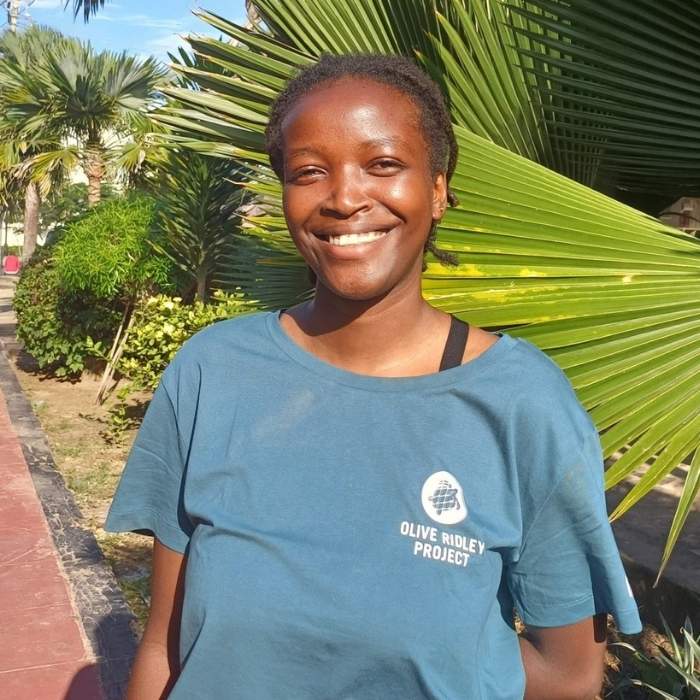
Sandra Keter, an 22 year-old from Nairobi, joined our Kenya team as a Sea Turtle Conservation and Monitoring Intern in July, 2025. Although Sandra grew up in Nairobi, where the ocean was a distant fantasy, its vast and unexplored waters always piqued her curiosity.
When it was time to choose a career path, she travelled to the Kenyan coast to study Marine Biology, which deepened her appreciation for both the familiar and undiscovered parts of the marine world.
During her studies, Sandra, as part of her university attachment programme, worked with the Tiwi Turtle Police, an organisation dedicated to protecting sea turtle nests through regular beach surveys and deterring illegal take. In 2024, Tiwi Turtle Police, including Sandra, participated in the annual Diani Sea Turtle Festival. She was impressed with ORP’s effort and work in organising the festival. So when the opportunity arose, she decided to apply for an internship, and soon joined the team in July 2025.
As an ORP intern , Sandra supported ORP-Kenya in conducting in-water sea turtle research and actively participated in community outreach – engaging with both fishing communities and school children. Hear from Sandra here, as she answers questions about her internship and conservation as a practice.
1. What drives you to work for ocean conservation?
Sandra: I have always loved the water. Although I am often humbled and sometimes even frightened by the vastness of the ocean, the countless creatures living in its depths are always a source of awe. It’s like a different world down there!
Unfortunately, many of these animals are now at risk because of human activity. The human race is advancing, yes, which is great, but that has come at the expense of nature. A lot of what is happening to the ocean is beneath the surface, so many of us tend to not even take notice. But now that I’ve seen the marine world closely, and I understand how much of human existence depends on the oceans – I know what is at stake. This is why I strive to do my part, whether big or small
2. What does your typical day as an ORP – Kenya Intern look like?
Sandra: For most of my six months at ORP – Kenya, my typical days were spent diving. My mornings started at 8 AM. I would get my gear ready for diving, and board a ‘Diving The Crab’ boat heading out into the Diani Chale Marine Reserve.
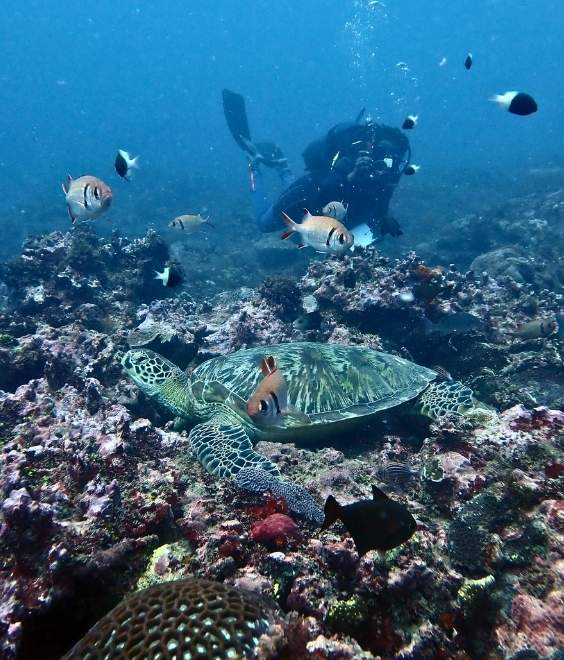
Aboard the diving boat, I would brief the other divers on sea turtles, the proper code of conduct they must maintain while diving, and ORP’s conservation work.
During the dives I conducted in-water monitoring and collected sea turtle Photo-ID. After diving, it was my job to process and identify the sea turtles we observed using Internet of Turtles (IoT), and review the photos for any strange/unusual marks or injuries. I would then input the data, attend meetings and await the next day (eagerly) to dive with the sea turtles all over again.
3. What was your most enjoyable experience/memory?
Sandra: A fond memory I have is teaching young teenagers from Camps International about a sea turtle’s lifecycle during my first few months of the internship. ORP partners with Camps International, and every summer, different groups of students spend a month in Kenya, where one of their days is dedicated entirely to learning about marine conservation.
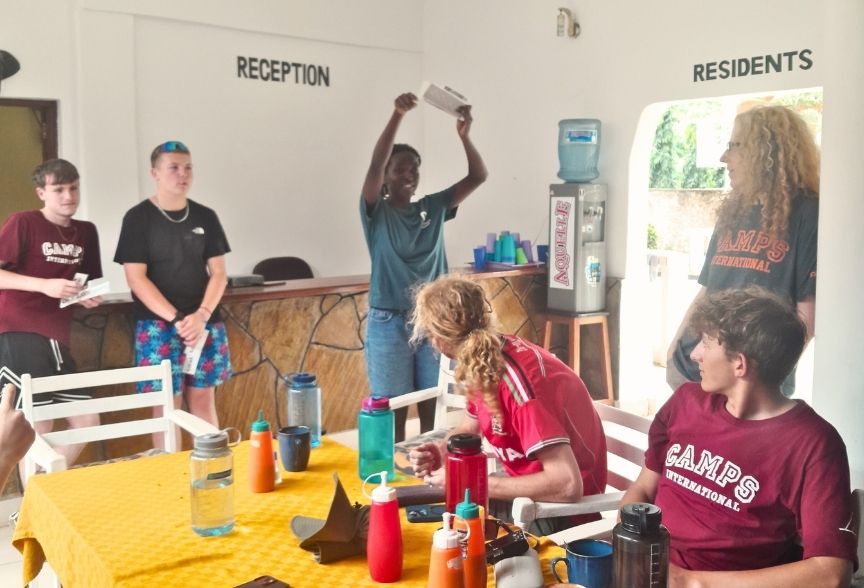
I loved seeing the awe and amazement on the students’ faces as they discovered how remarkable a single sea turtle’s life truly is. One fact that never failed to surprise them was just how many eggs a female sea turtle can lay (up to 500 in a single nesting season, with variations depending upon the species). However, when I paired this fact with the survival rate – it is estimated that just 1 in 1,000 hatchlings make it to adulthood – it struck them that, on average, only one hatchling from the combined efforts of two adult sea turtles might survive each season. They were then able to gauge just how important it is to protect sea turtles. It remains one of my favourite memories and a topic I love teaching.
4. What’s one skill or piece of knowledge you gained at ORP?
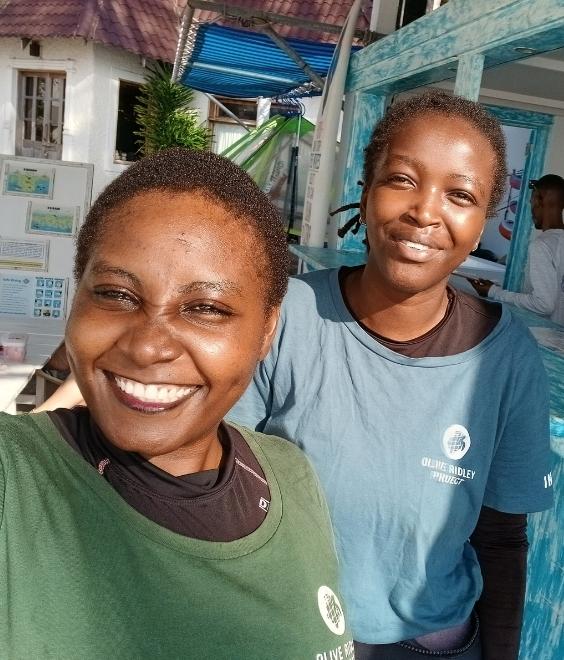
Sandra: Technically, the most valuable in-field skill I learnt was in-water research. I was able to scuba dive regularly, I logged approximately 80 dives, and learned how to collect data on sea turtles under-water.
A soft skill I was able to practice was teamwork, cooperating and coordinating with my teammates – whether it was in-water, searching for turtles with my buddy (Diana) or during community outreach initiatives – it was the backbone of all our work.
6. Okay, tell us the truth – are sea turtles really that special?
Sandra: They are special in the way that all organisms are, with each playing an invisible yet incredibly invaluable and niche role in the ecosystems they inhabit. Sea turtles are such gracious beings, and each encounter with them is full of wonder. What we often forget is that they’re not just beautiful, but also very important for keeping the oceans in balance.
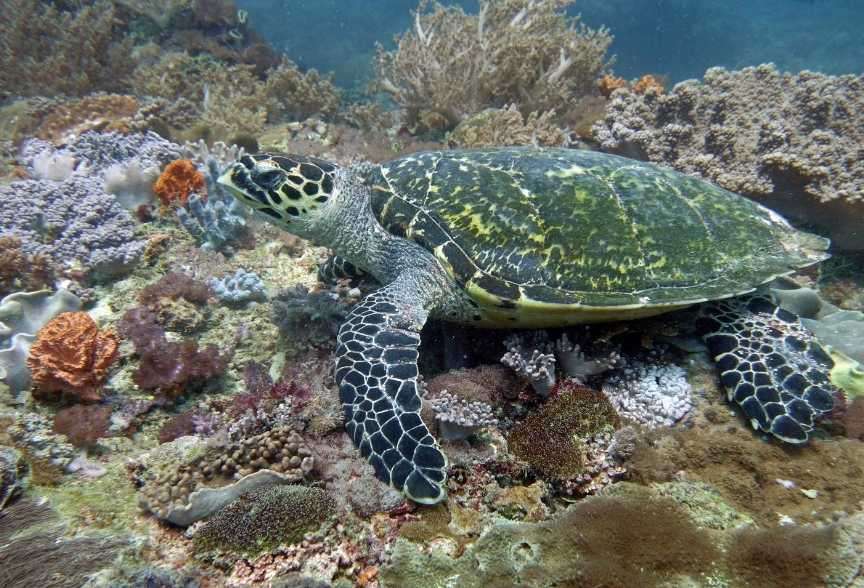
Take the hawksbill for example – they help maintain coral reef diversity. If not for them, reefs as we know them, may not exist, which in turn would lead to consequences for all of the ocean and humanity.
7. Where do you think conservation as a practice can improve?
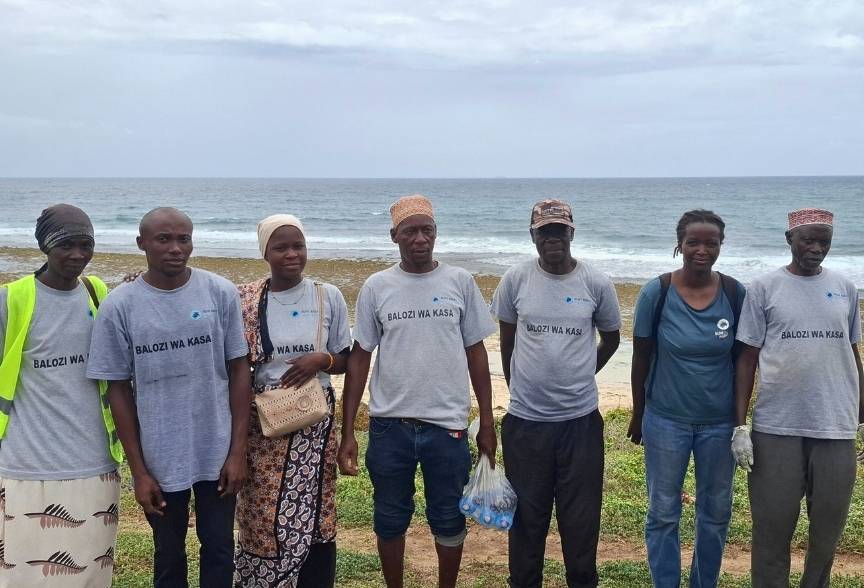
Sandra: The perception that only scientists, NGOs, or policy makers can or should care about conservation. In truth, conservation is a global effort, and requires input and participation from individuals across disciplines and different walks of life. Only when conservation is practiced as coordinated effort, will it be able to bring in change.
8. If you had a magic wand, and could fix one problem related to conservation, what problem would you choose to fix first?
Sandra: I think general participation in conversation is a problem I would like to fix, so I would make knowledge about conservation accessible and widespread. A lot of people think conservation needs big actions, but I would like to spread knowledge about how each of us can contribute through our personal lives – whether it’s making better choices in the food we eat, the products we buy, or the habits we adopt.
9. What’s a conservation myth you wish more people understood?
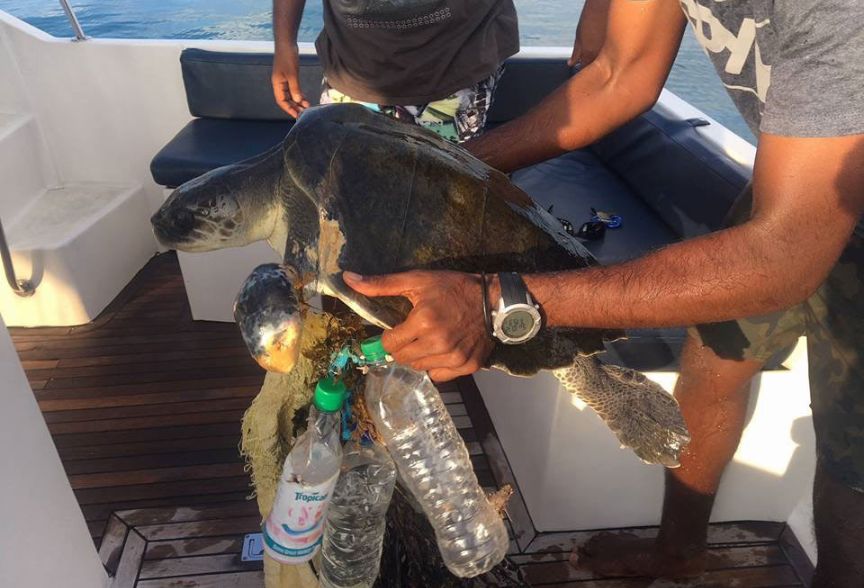
Sandra: People think it’s okay to use plastic as long as you recycle it. In truth, only about 30% of plastics get recycled and always to a lesser, weaker plastic that ultimately will end up in landfills and the ocean. There is no perfect system right now, but being mindful of our consumption habits, and reducing the plastic we individually consume counts for a lot.
10. Any advice for youngsters wanting to make a career out of conservation?
Sandra: Well, I am still young, trying to make my way in conservation, I’m not sure what weight my advice would have. But I would say, always strive to learn, in every experience. No experience in life is too small or invaluable. Only by keeping an open mind can we strive to do better.
We are incredibly proud to have witnessed Sandra’s professional and personal growth during her internship, and we’re deeply grateful for the dedication she has brought to our team. We’re also thankful to our partners, Diving The Crab, for co-sponsoring her dive training – an essential skill that will continue to support her career in marine conservation.
Internships with ORP – Kenya offer university students invaluable hands-on experience in the field of sea turtle conservation. By providing these opportunities to as many young Kenyans as possible, we hope to nurture and empower the next generation of passionate change-makers. If this internship sounds like the right opportunity for you, or for someone you know, please reach out to us at: dianibeach@oliveridleyproject.org