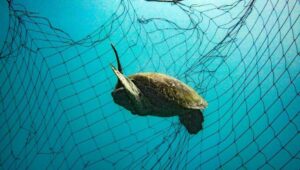

Entanglement season: How ghost gear threatens sea turtles in the Maldives

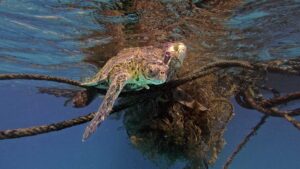
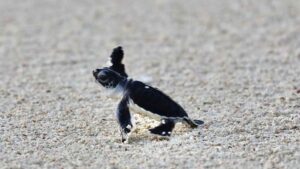
In December, a chance discovery on a reef in Laamu Atoll revealed the hidden threat of ghost gear in Maldivian waters. From a single abandoned net to a tiny olive ridley post-hatchling fighting for survival, this story highlights why the North-East monsoon has become entanglement season for sea turtles in the Maldives.

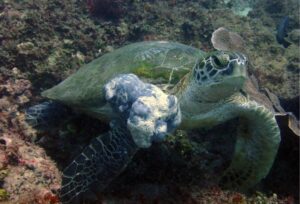
Why do turtle eggs fail to hatch? Glowing microscopic cells reveal the answer

For any species to survive, reproduction is key – and sea turtles are no exception. But when sea turtle eggs fail to hatch, what’s really happening inside the shell? Researcher Alessia Lavigne has adapted cutting-edge fertility assessment methods to find answers to this mystery and open doors for conservation of threatened turtle species.

Turtle patient Autumn fitted with a satellite tag and ready for release. Image.

Why satellite tag sea turtles?

Olive Ridley Project (ORP) recently attached Telonics satellite tags onto two olive ridley sea turtles that were in our care: Autumn and Pickle. But what is satellite tagging, what can it tell us about animal behaviour, and how can it help our efforts in the conservation of sea turtles?

Close up of turtle patient Heidi. Image.

Heidi the flying turtle

Heidi was one of our most widely loved sea turtle patients. He was admitted to the Marine Turtle Rescue Centre in 2018 with severe ghost gear entanglement injuries and was deemed un-releasable due to one missing and one non-functional front flipper. He was transferred to Plymouth, UK, to live out his days in the National Marine Aquarium.

Celebrating sea turtles at Vaavoshi Festival in the Maldives

In October, Olive Ridley Project hosted Vaavoshi festival, Maldives’ first multi-atoll sea turtle festival, in collaboration with schools across eight different atolls. Complete with educational talks, song and dance, fun parades, mural making and beach cleanups – the festival truly captured the spirit of finding community in conservation.